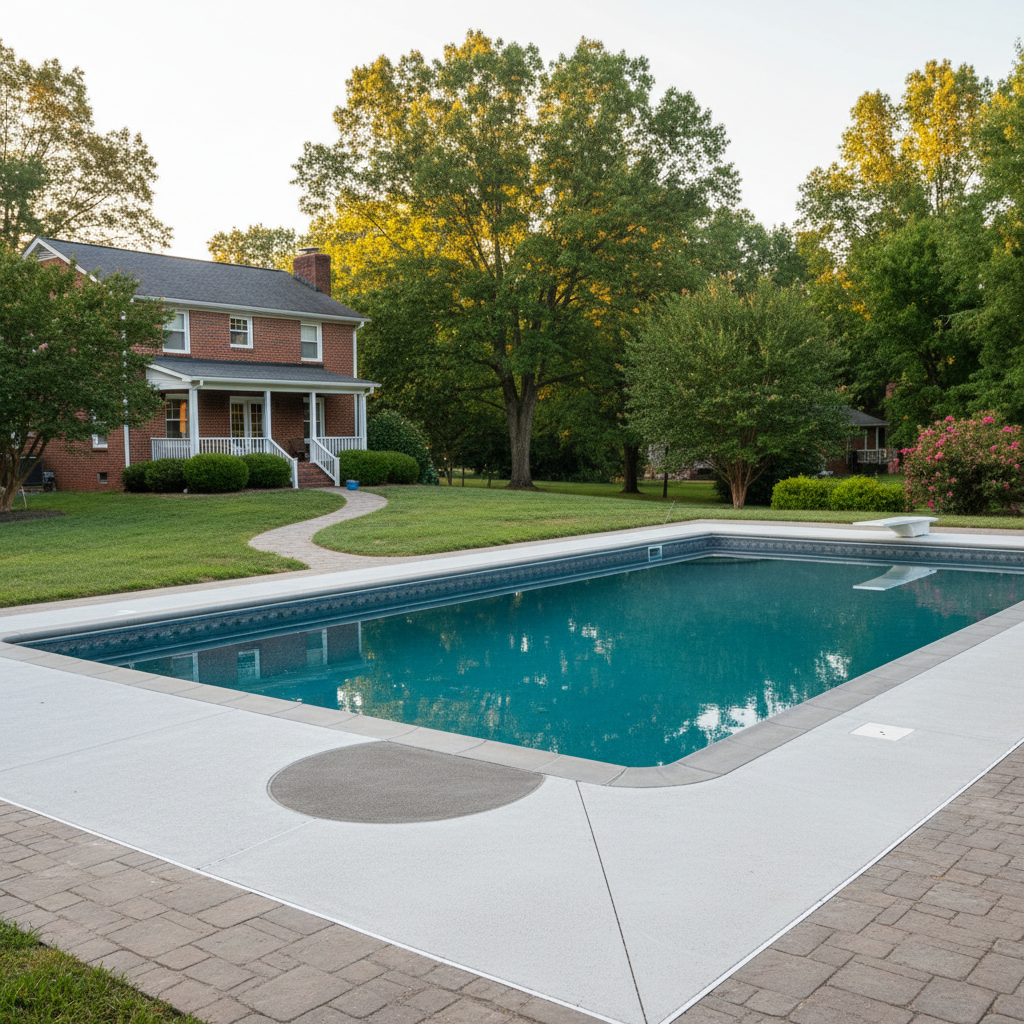
Water is dropping in your pool an inch a day, and you are tired of dragging out the garden hose every single morning. Valley Pools sees this all the time across Maryville neighborhoods, especially after heavy East Tennessee freeze-thaw cycles put stress on underground plumbing. Valley Pools wants to talk straight about what swimming pool leak detection and repair actually cost around here so you can budget for it properly.
Typical Cost Ranges for Detection and Repair
Basic electronic leak detection in our area usually runs between $350 and $600. That flat fee generally covers pressure testing your lines, checking the main drain, and listening for acoustic anomalies around your pool pad. If the leak is hiding in a skimmer throat or a minor vinyl liner tear, fixing it right then might only add $100 to $250. But if we are talking about a cracked PVC return line buried six feet under your concrete deck in Foothills-area red clay, the cost is $1,000 to $2,500 total once you factor in concrete cutting, pipe repair, and patching the deck.
What Actually Drives the Price Up
Every pool is different, and a few specific factors change the bottom line on your invoice. Access is an important issue. If your equipment pad is tucked tightly behind a fenced-in patio or a retaining wall, it takes more labor to get diagnostic gear in place. The type of pool matters too. Fiberglass shells shift differently than poured concrete or vinyl liners, meaning leaks can hide in distinct spots. Depth of the plumbing and whether we have to dig through solid rock or thick patio pavers will also shift the labor hours.
What Should Be Included in Your Quote
Any reputable pool tech from Valley Pools or another local outfit should give you a clear, itemized estimate before a single shovel touches your yard. Your quote ought to spell out the exact diagnostic methods they are using, the estimated labor time, the cost for replacement fittings or PVC, and how they plan to patch your deck or liner if they have to dig. Make sure the quote clarifies whether refilling the pool or chemical rebalancing is included after the fix is done.
How to Avoid Overpaying
Homeowners should not panic and hire the first national franchise that shows up at the top of a search engine with inflated emergency rates. Do a simple bucket test first to confirm you actually have a leak and are not just losing water to July humidity and evaporation. When you call local companies, ask if their detection fee gets credited toward the repair work if you hire them to fix it. Keep an eye on your water bill and your monthly chemical use, because catching a slow structural leak early keeps a minor patch job from turning into a major backyard excavation.